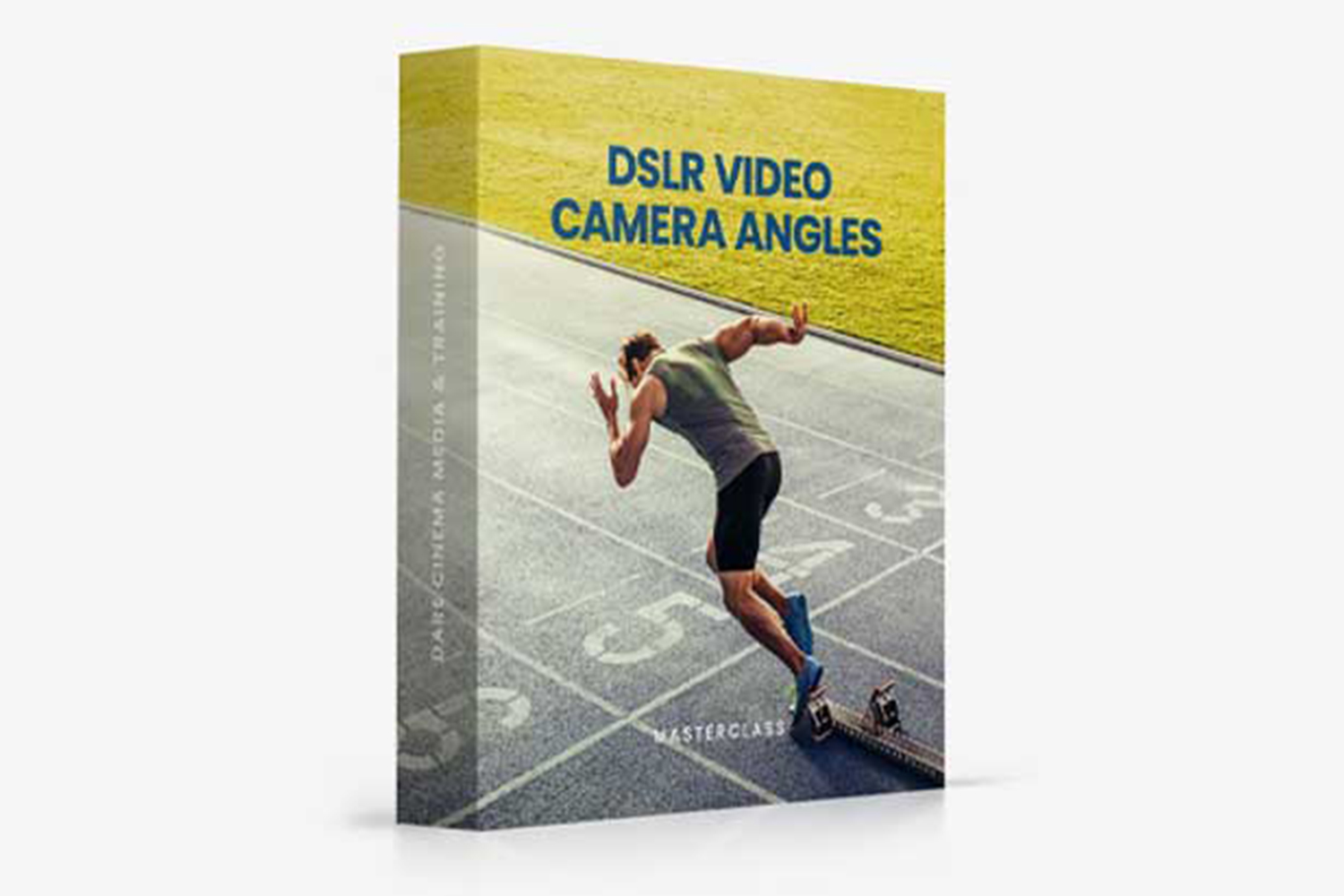
The DSLR Video Camera Angles by dare cinema course is an online program designed to teach you how to use videography techniques and camera angles to create professional-looking video with a DSLR camera. On paper, it aims to help a pretty wide range of people, from aspiring filmmakers to small business owners. The main thing you need to know upfront is that it’s a quick course, running just 1 hour and 7 minutes, and the lesson videos aren’t downloadable.
What the 10 Lessons Cover
This course breaks down into 10 distinct lessons, but looking at the titles, it feels like two mini-courses mashed together. The first half focuses heavily on a specific technique: cinemagraphs. The second half shifts to more foundational videography concepts like shot types and camera angles.
You start with an “Introduction” and a “Quick Orientation,” which I’d expect to be standard setup stuff. Then, the course immediately jumps into cinemagraphs with “Indoor Cinemagraphs.” This is followed by “Capturing Video without an ND,” which likely addresses a common challenge in videography, particularly when shooting outdoors or in bright conditions without a Neutral Density filter. Next, you learn “Reversing Video for a Cinemagraph,” “Capturing an Outdoor Cinemagraph,” and “Nighttime Cinemagraphs.” There’s also “Overlapping Motion Practice” and “Creating Cinemagraphs out of Existing Shots,” which suggests you’ll get hands-on practice and learn how to adapt existing footage.
After these cinemagraph-focused lessons, the course pivots. The latter lessons are “The Five Basic Shot Types,” “What are the Descriptive Shot Types,” “The Importance of Subject Angle,” “Camera Height,” and finally, “Learning to Use Camera Angles.” This section seems to be a more general introduction to fundamental videography principles, which is important for anyone wanting to improve their video work.
Judging by the module list, if you’re specifically looking to master cinemagraphs with your DSLR, about half of the course content is dedicated to that. If you’re looking for general camera angle knowledge, the latter half seems to cover the basics, but the runtime for those concepts is fairly limited.
Who Made This Course and Why It Matters
The course creator is Dare Cinema, and the instructor is Dare Stevens. According to the creator, Dare Stevens is an “experienced professional.” This is important because it suggests the techniques taught come from practical, real-world experience, not just theoretical knowledge. When you’re learning something like videography, having an instructor who’s been in the trenches means you’re more likely to get actionable advice and insights into common problems.
However, the creator doesn’t publish details on what kind of professional experience Dare Stevens has – like, is it commercial work, documentary, narrative film? Knowing that might help you gauge if their specific expertise aligns with your goals. For instance, someone with a background in fast-paced event videography might teach different techniques or prioritize different angles than someone focused on slow, deliberate narrative filmmaking.
Who This Course Is For, and the Skill Level It Assumes
The creator says this course is made for a pretty broad audience, which can be both a good thing and a tricky thing. On one hand, it targets:
- Aspiring videographers
- Seasoned videographers
- Budding filmmakers
- Content creators
- Small business owners shooting promotional videos
- People who want to create more dynamic home movies
That’s a lot of different people with potentially very different starting points and goals. The creator doesn’t publish any specific skill level for the course. Given the list, and the fact that it covers “The Five Basic Shot Types” alongside more specific cinemagraph techniques, I’d guess it’s probably aimed at beginners or those with a little experience looking to refine specific aspects of their shooting.
If you’re an aspiring videographer or a small business owner just starting to shoot video with your DSLR, the foundational lessons on shot types and angles could be useful. If you’re a seasoned videographer, the cinemagraph section might offer a new technique, but the basic camera angle lessons might be too rudimentary for you. It’s hard to tell without knowing the assumed skill level or the depth of each lesson.
What You Need Before You Start
The requirements for taking this course are pretty minimal, which is great for accessibility. All you need is an internet browser and an internet connection. Since it’s delivered online, you can access it through your browser on a phone, tablet, or desktop computer.
As for gear, the course title “DSLR Video Camera Angles” implies you’ll need a DSLR camera to practice the techniques. The course is specifically about creating video with a DSLR, so if you’re shooting on a mirrorless camera, a camcorder, or even a smartphone, some of the specific advice might not directly apply, though the principles of camera angles are universal. The course doesn’t list any specific software requirements, so I assume the editing portion (especially for cinemagraphs) isn’t explicitly taught within the 1 hour 7 minute runtime, or it’s assumed you’ll use your own editing software.
What’s Missing or Unclear from the Published Curriculum
The main thing that jumped out at me from the facts is the runtime: 1 hour and 7 minutes for 10 lessons. That’s not a lot of time to go deep into both cinemagraphs and fundamental camera angles. On average, each lesson would be about 6-7 minutes long, including any intros or outros. This suggests the lessons are likely concise and focused, but perhaps not exhaustive. It’s a bit like getting a broad overview rather than a deep get into each topic.
Also, as I mentioned, the creator doesn’t publish an assumed skill level. This makes it hard to know if the content will be too basic or too advanced for you. Without specifics on the instructor’s professional background, it’s also tough to fully gauge the perspective and depth of the advice.
The course content lists techniques like “Reversing Video for a Cinemagraph” and “Creating Cinemagraphs out of Existing Shots,” which implies post-production. However, no specific software is mentioned for these tasks, nor is there a dedicated lesson on editing. This could mean the course focuses solely on the shooting aspect and assumes you already know how to edit, or that the editing instructions are very basic and integrated into the shooting lessons.
Who Should Skip This Course
You should probably skip the DSLR Video Camera Angles by dare cinema course if you like to keep your learning materials offline. A significant limitation is that the lesson videos are not downloadable. This means you need an active internet connection every time you want to watch or rewatch a lesson. If you plan to learn on the go, or in places without reliable Wi-Fi, this course won’t work for you.
Also, if you’re looking for an in-depth, thorough course that covers every aspect of videography from pre-production to advanced editing, the 1 hour and 7 minute runtime suggests this isn’t it. It’s too short to cover a vast amount of material in detail. If you already have a solid grasp of basic shot types and camera angles, you might find about half of the course redundant, unless you’re specifically interested in the cinemagraph techniques.
Should You Get It?
If you’re a beginner with a DSLR looking for a quick introduction to basic camera angles and a specific, creative technique like cinemagraphs, this course might be a decent starting point. The instructor, Dare Stevens, is an experienced professional, which is a good sign. However, if you need downloadable videos for offline access, or you’re after a really deep, thorough get into advanced videography techniques, you’ll likely find this course too brief and limiting.
Questions people ask
How do I watch the course?
The course is delivered online through a browser and is compatible with phone, tablet, and desktop. You'll need an internet connection.
When does the course start and finish?
This is a self-paced online course, meaning you can start whenever you want and go through the 10 lessons at your own speed.
How long do I have access to the course?
You get lifetime access to the course materials once you enroll.
How do I download the lesson videos?
The creator states that the lesson videos are not downloadable; they can only be watched online through your browser.
Prefer to buy directly from dare cinema at full price? See the official page.