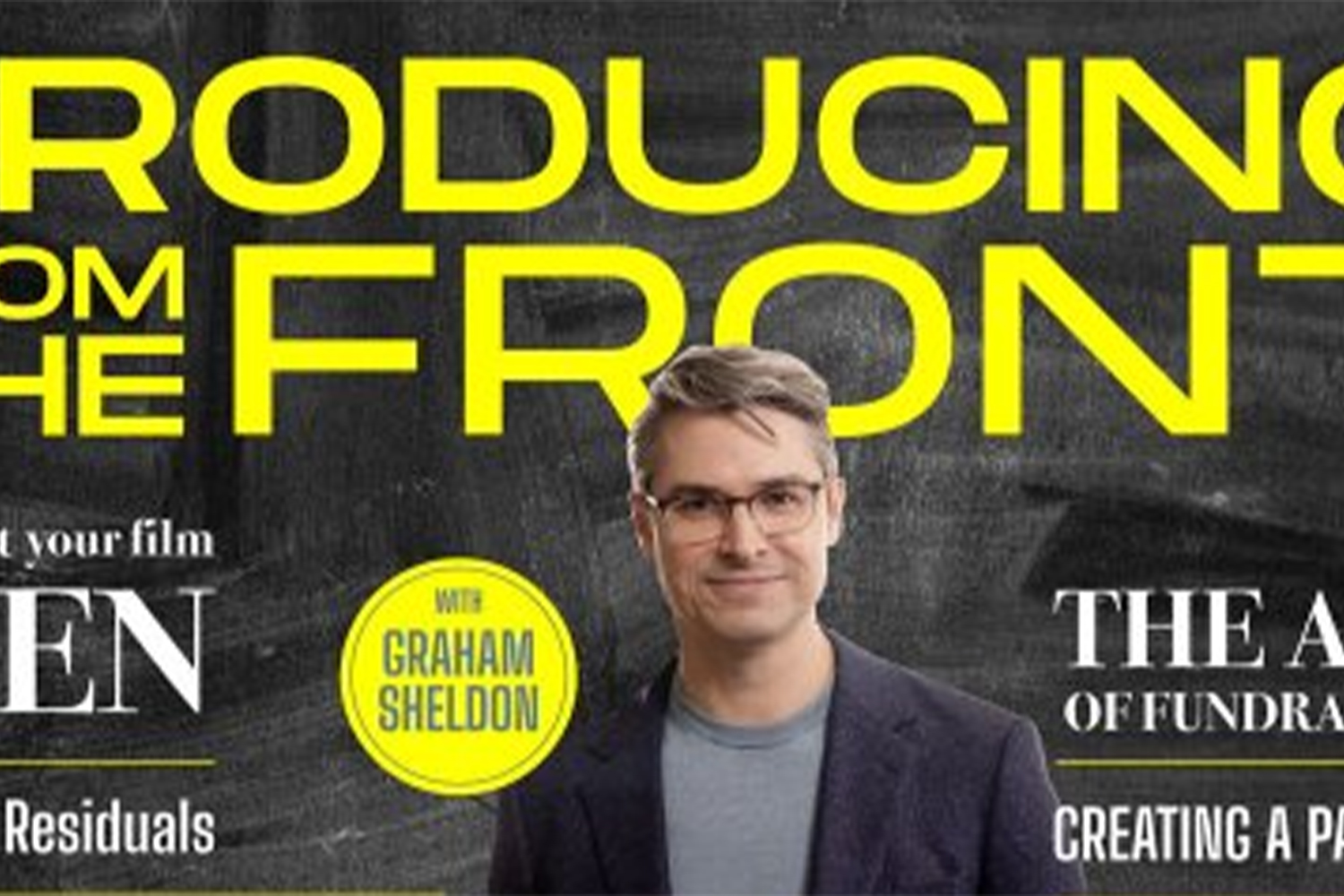
You’re probably here because you’re wondering if Producing from the Front by Graham Ehlers Sheldon is the right course to help you get your film projects off the ground and seen. This course is designed to teach you how to produce quality film content, taking you through the entire process from that initial idea all the way to distribution. It aims to serve a wide range of creators, from aspiring to established filmmakers. The main thing to know upfront, though, is that it’s very much focused on the traditional Hollywood model of filmmaking.
What’s Inside Producing from the Front by Graham Ehlers Sheldon
This course packs 5 hours and 57 minutes of content into 8 distinct modules, covering the lifecycle of a film production. Graham Ehlers Sheldon walks you through each stage with practical insights.
You kick things off with an Introduction (36m), which I’d expect sets the stage for what’s to come, likely covering the producer’s role and mindset.
The Pre-Production module (52m) is where the foundational work happens. It covers crucial elements like “The Pitch,” which is essential for getting your project noticed, along with fundraising strategies and budget management. These are non-negotiable skills for any producer.
Next up is Legal (32m), a module I think is particularly important for indie filmmakers who often overlook this complex area. Knowing how to navigate contracts, rights, and intellectual property can save you a lot of headaches later on.
The Producer-Shooter module (29m) sounds valuable for those working in smaller teams or on documentaries where you might wear multiple hats. It explores how to balance the creative and logistical demands of both roles. Following that, Indie Film Production (33m) likely looks at the practicalities of managing a production with limited resources, whether you’re on location or a set.
Moving into post, the Post Production module (41m) will cover what happens after shooting wraps. Given the creator’s background as a director of photography, I’d expect some solid advice on managing the post-production workflow, though it’s not explicitly detailed what aspects of post it covers.
The course dedicates a substantial 1 hour and 37 minutes to Distribution. This is by far the longest module, and judging by Graham Sheldon’s background as a sales agent, I’d say this is where the course likely shines brightest. It’s a critical, often daunting, aspect for filmmakers, and getting insights from someone who sells films for a living is a major plus. This focus makes sense given his expertise and is what I’d consider the strongest part of the course on paper.
Finally, there’s a Bonus Interview (34m) with Clark Peterson, producer of the Academy Award-winning film *Monster*. This kind of direct insight from an experienced producer like Peterson is a standout detail and could offer some real-world wisdom.
All modules come with downloadable resources, which is always helpful for practical application, and English subtitles are available throughout.
What the Course Doesn’t Clearly Cover
While the course covers a lot of ground in terms of the filmmaking process, there are some areas where the published curriculum is thin or completely silent. The biggest limitation, which the creator acknowledges, is its focus on the “Hollywood model.” This means if you’re aiming for a different path, think ultra-low-budget, experimental, or purely digital-first content that doesn’t target traditional theatrical or festival distribution, some parts might not align with your goals.
On a more practical level, the course doesn’t publish any specific details about the gear or software you might use. It’s not clear if it gets into camera choices, editing software workflows (like Premiere Pro, DaVinci Resolve, or Final Cut Pro), sound design tools, or specific post-production techniques. While it touches on “Post Production” for 41 minutes, that’s not a lot of time to get into the nitty-gritty of editing, color grading, or sound mixing. If you’re looking for hands-on technical instruction in these areas, you’ll likely need to look elsewhere. For example, if you need a deep get into editing, you might find Editing MasterClass by Luxusio or Zero To Hero Video Editing Course by GIGL more suitable, as this course won’t cover those technical aspects.
Also, while it mentions “downloadable resources,” the creator doesn’t specify what these are. Are they templates for budgets, pitch decks, legal contracts, or something else? Knowing this would help gauge their utility.
What You Need Before You Start
The great thing about this course is that the creator doesn’t list any specific software, hardware, or prior experience as a requirement. It’s designed for a broad “aspiring to established” skill level, meaning you don’t need to be a seasoned pro to jump in. However, I’d say a basic enthusiasm for filmmaking and a general understanding of the industry would certainly help you absorb the concepts faster. You don’t need to own a specific camera or editing suite to follow along, which makes it accessible from a technical standpoint.
Who This Course Is For
This course is built for a pretty wide audience within filmmaking. If you’re an aspiring film producer, it’s clearly designed to give you a roadmap. Established and emerging filmmakers can also benefit, especially if you’re looking to formalize your production process or improve your understanding of the business side of things, particularly distribution.
If you’re a documentary content creator, the “Producer-Shooter” module (29m) could be particularly relevant, as many documentarians often fulfill both roles. Similarly, scripted content creators, directors, cinematography enthusiasts, and even editing specialists who want to understand the bigger picture of film production beyond their specific craft will find value here. For instance, if you’re an editor who wants to understand why certain decisions are made in pre-production or how distribution impacts the final cut, this course could connect those dots.
Essentially, if you’re involved in creating film or video content and want a structured understanding of the entire production pipeline, from pitching to getting your film seen, this course is tailored for you.
Graham Ehlers Sheldon: Why His Background Matters
Graham Ehlers Sheldon isn’t just a talking head; he’s an Emmy® award-winning producer, a director of photography, and a sales agent for independent films. This diverse background is incredibly important for what you’ll learn in the course.
His experience as a producer means he understands the practicalities and challenges of getting a film made. Being a director of photography suggests he also has a strong grasp of the visual storytelling aspects, though the course seems to lean more into the business of production. The sales agent part of his resume is, in my opinion, the most critical for this course. That means he knows what it takes to get a film acquired, marketed, and distributed. This unique perspective likely underpins the strength of the “Distribution” module, which is a whopping 1 hour and 37 minutes long. When someone teaches you about distribution who actively sells films, you’re getting insights directly from the front lines of the industry.
His background reinforces the course’s “Hollywood model” focus, as sales agents and producers often operate within established industry frameworks.
Who Should Skip Producing from the Front
The main reason to skip this course is its stated focus on the “Hollywood model.” If your filmmaking aspirations are far removed from traditional film festivals, theatrical releases, or securing distribution deals with established companies, then a significant portion of this course might not be directly applicable to your specific goals. For example, if you’re primarily creating content for YouTube, TikTok, or other social media platforms, and your distribution strategy is entirely digital and self-managed without aiming for a traditional film pipeline, you might find parts of the “Distribution” module less relevant.
You should also skip it if you’re looking for in-depth technical training. If you need to learn how to operate specific cameras, master editing software, or dive deep into visual effects, this isn’t the course for that. There’s no mention of specific gear or software, and the post-production module is relatively short. For those technical skills, you’d be better off looking at specialized courses like the Visual Effects Video Creator by Tomorrows Creators if VFX is your thing, or an editing course if that’s your focus.
So, should you get it?
If you’re an aspiring or established filmmaker aiming for traditional film production and distribution, especially within the Hollywood framework, this course offers valuable insights from an experienced industry professional. The deep get into distribution and the legal aspects are particularly strong. However, if your focus is strictly on digital-first content, micro-budget non-traditional filmmaking, or you need hands-on technical instruction, you might want to look elsewhere.
Questions people ask
What is the total runtime of the course?
The total runtime of the course is 5 hours and 57 minutes.
Are subtitles available for the course?
Yes, English subtitles are available for all modules.
Who is the instructor of the course?
The instructor is Graham Ehlers Sheldon, an Emmy® award-winning producer, director of photography, and sales agent for independent films.
Are there any downloadable materials included?
Yes, all modules offer downloadable resources.
Prefer to buy directly from Graham Ehlers Sheldon at full price? See the official page.